October 27, 2024: Beethoven, Saint-Saëns & Ravel

Northbrook Symphony
Mina Zikri, Music Director
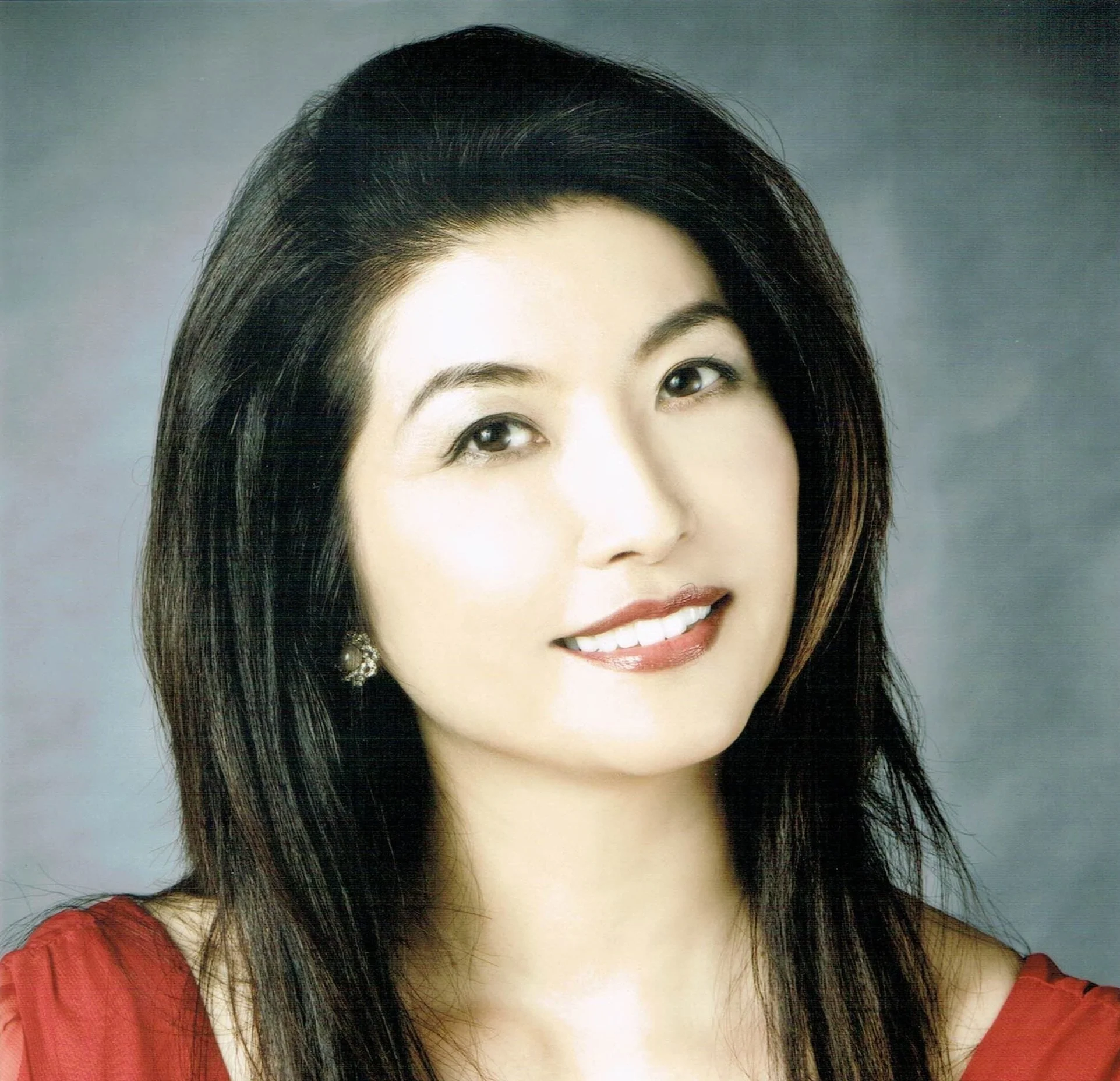
Kaori Williams, soprano

Download program PDF (3.9MB)

Camille Saint-Saëns (1835-1921)
Danse macabre, Op. 40 

Saint-Saëns’ Danse macabre from 1874 has become one of the composers’ most well known works, and is a fantastic testament to the power of orchestration in depicting stories and characters with music. Danse Macabre is a symphonic poem, a form pioneered by Franz Liszt that broke the orchestra out of the multi-movement symphonic structure, creating a shorter form genre where the music could be driven by narrative, telling a whole story in the space of one movement. The inspiration behind Saint-Saëns work was the legend that Death appears at midnight every Halloween, playing his fiddle to reanimate the dead for one night. This situation is represented brilliantly in music with the note D played 12 times by the harp, just like a clock striking midnight, after which comes the entrance of Death and his violin. The solo violinist must perform with a scordatura tuning, meaning that one of the strings is retuned to an unusual pitch, in this case Eb, enabling them to play a tritone between the 2 upper strings, an interval also known as the diabolus in musica (“the Devil in music.”) 

Maurice Ravel (1875-1937)
Shéhérazade
I. Asie
II. La flûte enchantée
III. L’indifférent

Shéhérazade is a character well known in music, having been treated many times by composers, most notably as a purely orchestral work by Rimsky-Korsakov, and this song cycle by Ravel. Ravel was inspired by Shéhérazade, the narrator of The Arabian Nights, early in his career, first composing an overture for an opera that never came to be in 1898, followed by the song cycle which perhaps finally satisfied his ambitions for this subject. The text for the vocal part came from poems published by his friend and fellow member of the artist group Les Apaches, Arthur Leclère (pen-name Tristan Klingsor). The three poems Ravel chose were Asie, La flûte enchantée, and L’indifférent. Each poem appealed to Ravel’s impressionistic temperament with their strong exotic content, allowing for colorful orchestration and fluid melodies, additionally making use of several modes, notably the Phrygian mode in the La flûte enchantée.

Ludwig van Beethoven (1770-1827)
Symphony No. 5 in C minor, Op. 67
I. Allegro con brio
II. Andante con moto
III. Scherzo: Allegro
IV. Allegro - Presto

The Fifth Symphony of Beethoven, completed in 1808, has gained a legendary status more than most other orchestral works, despite being constructed from the most minuscule thematic material. In the first movement, Beethoven managed to create a tremendously exciting and cohesive work based entirely on the four note motif heard at the very beginning. The following movements are not without innovations and big ideas, and one can imagine that after completing his massive Third Symphony a few years earlier (during the composition of which he had begun sketching the Fifth) Beethoven felt drawn to larger and larger forms, bigger canvases to explore his revolutionary ideas. A particularly special moment comes at the transition between the third and fourth movements, where relentless timpani strokes underlie a brilliant motivic transformation to set up the finale, where the symphony ends passionately and heroically in C Major.

Program notes by Thomas Nickell.


For Tristan Klingsor’s poems used in Ravel’s Shéhérazade and translations in to English, please visit the Oxford International Song Festival website.


Kaori Williams
Soprano

Internationally acclaimed soprano Kaori Williams returns to the Northbrook Symphony performing Maurice Ravel’s Scheherazade, enchanting music that she has performed with orchestras around the world including the China Philharmonic Orchestra.

Originally from Japan, Ms. Williams is a vibrant international artist who delights audiences with stirring performances in both opera and concert. The beautiful color of her voice, her versatility and repertoire – from classic opera to traditional symphonic pieces to traditional Japanese music – have allowed to perform in a unique set of venues and make each of her performances special and memorable. She is a recipient of the Special Judges Award at the International Bellini competition in Sicily and a winner of the Kawasaki Music Competition, being featured in their Annual New Year’s Concert.

Ms. Williams began her career in Tokyo with the Fujiwara, Asunara and NAOS Opera companies and has performed classic Opera roles including Cio Cio-san in Madama Butterfly and Liu in Turandot and Suzanna in The Marriage of Figaro. In Japan she also premiered the role Kotaro in the opera Yuki and Oninbe. For her performances in Madama Butterfly she spent a long period studying under the tutelage of famed sopranos Marcella Reale and Audrey Stottler.

As a concert artist Ms. Williams has had great success in orchestral and solo appearances in Asia, Europe and the United States. Her appearances have included a variety of genres including music such as Strauss and Ravel, opera arias, and the music of Japanese composer Akira Ifukube. With the China Philharmonic she also performed the China Premiere of two pieces from Richard Strauss Four Songs.

Beyond western classical music Ms. Williams also has a keen interest in classical Japanese music. With guidance from Hiroshi Oga her recently released recording ‘My Home My Heart’ beautifully captures the inspirations of her home country and includes exploration of rarely heard music from the indigenous peoples of Sakhalin Island. She has a passion to bring this unique music to life for audiences around the world and is now working with famed American composer Michael Ching to produce symphonic versions of these great songs.

She has also recorded for Disney Educational Productions under the baton of Maestro Mark Watters.

Previous
Previous

November 17, 2024: Chamber Delights

Next
Next

June 9, 2024: Fiesta Mexicana