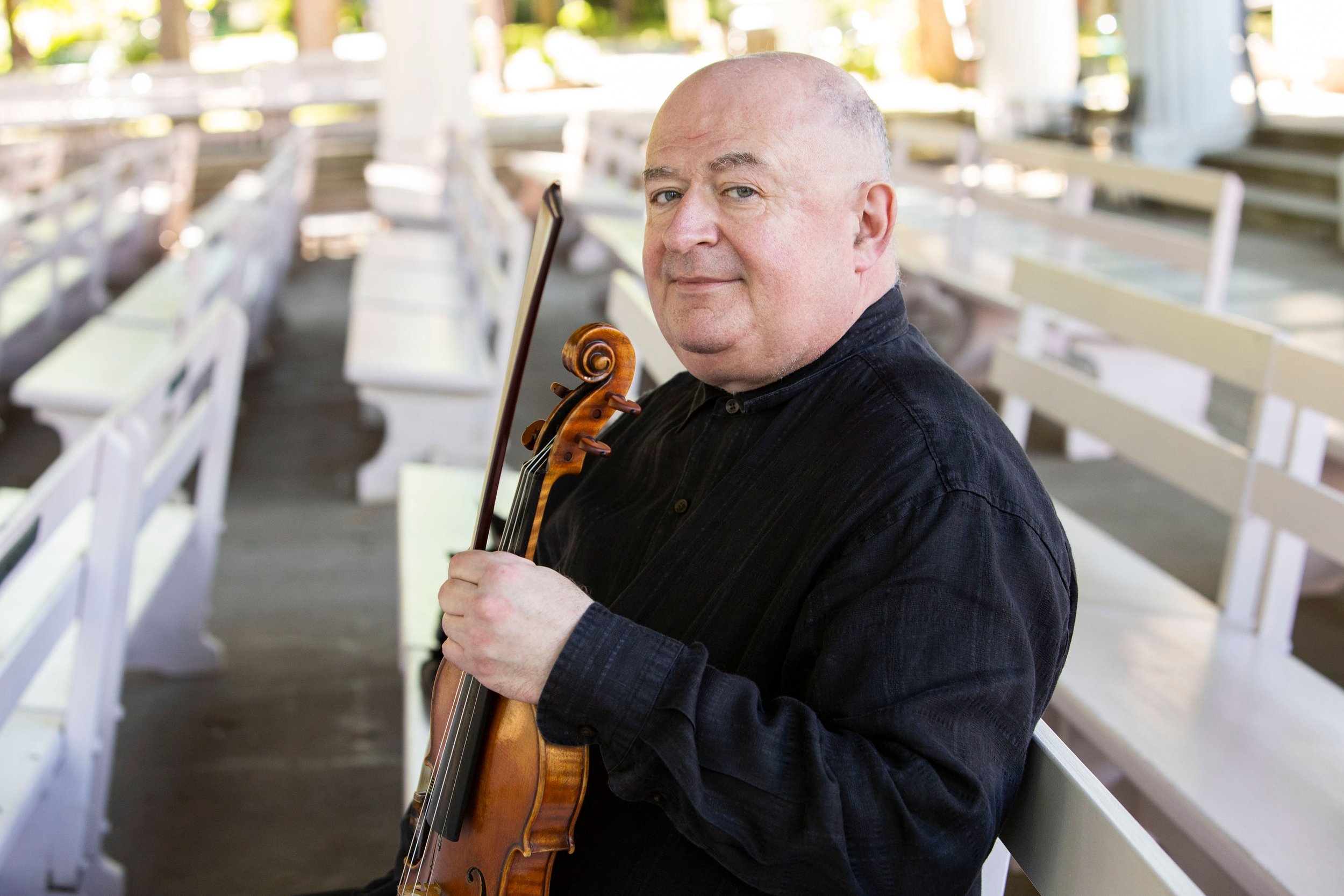
Antonio Vivaldi (1678-1741)
Le quattro stagioni (The Four Seasons)
Concerto No. 1 in E major, RV 269, “La primavera (Spring)”
I. Allegro
II. Largo e pianissimo sempre
III. Allegro pastorale
Concerto No. 2 in G minor, RV 315, “L’estate (Summer)”
I. Allegro non molto
II. Adagio e piano – Presto e forte
III. Presto
—INTERMISSION—
Concerto No. 3 in F major, RV 293, “L’autunno (Autumn)”
I. Allegro
II. Adagio molto
III. Allegro
Concerto No. 4 in F minor, RV 297, “L’inverno (Winter)”
I. Allegro non molto
II. Largo
III. Allegro
Composed between 1716 and 1725, Antonio Vivaldi's Le quattro stagioni is a cycle of four concertos for solo violin and orchestra. Each is based on a sonnet with a narrative inspired by one of the four seasons - the poems' authorship is not known today, though their three-part structure mimicking the three movements of a Baroque concerto means they may be Vivaldi's own words. As was standard practice in Vivaldi's day, today's orchestra features a harpsichord, a keyboard instrument which makes sound by plucking strings with each key press.
The first concerto, “La primavera (Spring)”, may be some of the most recognizable music of all time. It has all the hallmarks of springtime: birdsong, rushing streams and thunderstorms. The sonnet reads, “Springtime is upon us. The birds celebrate her return with festive song, and murmuring streams are softly caressed by the breezes.”
“L'estate (Summer)” reflects intense heat and frightening storms. As with Spring, animals are a constant source of inspiration. The sonnet is a pastoral scene: “The shepherd trembles, fearful of violent storms and what may lie ahead... lightning's flash and thunder's roar, as gnats and flies buzz furiously around.”
“L'autunno (Autumn)” follows with renewed jollity after the intense heat of summer, and Vivaldi depicts the harvest time with dancing in the first movement, peaceful sleep in the second, and a lively hunt in the Finale. "The peasant celebrates with song and dance... The singing and the dancing die away as cooling breezes fan the pleasant air... The hunters emerge at dawn, ready for the chase, with horns and dogs and cries..."
Finally we reach “L'inverno (Winter)”. Here we fear the bitter cold, dangerous winds, and the darkness. Vivaldi depicts a brisk but enlivening chill, followed by cozy introspection by the fireplace and a frenzied display of the potential dangers of winter. “Shivering, frozen mid the frosty snow in biting, stinging winds... To rest contentedly beside the hearth, while those outside are drenched by pouring rain... We tread the icy path slowly and cautiously, for fear of tripping and falling.”
Program notes by Thomas Nickell.